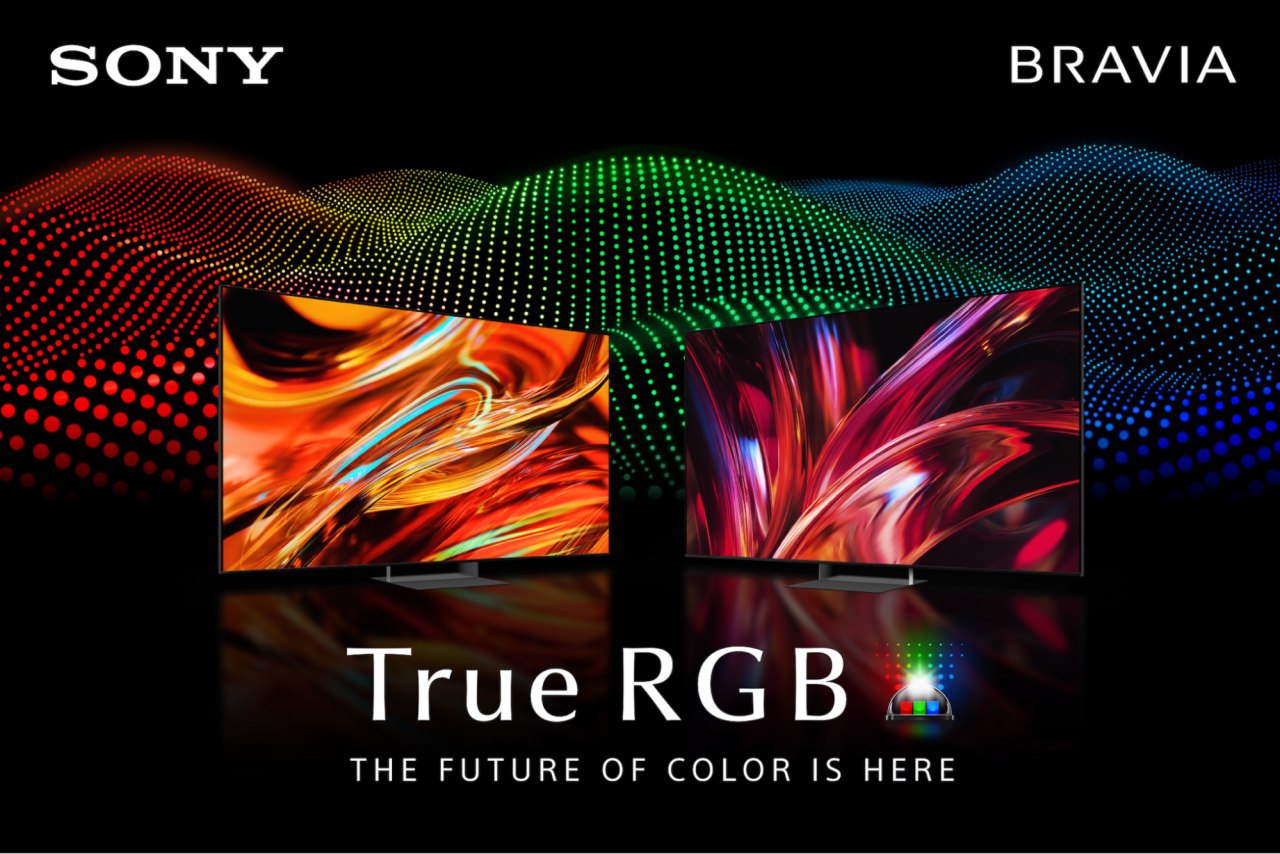
Bigger Screens, Richer Colors, and a Better Picture
TVs have evolved greatly over the past twenty years, from LED to OLED to Sony’s all-new RGB LED technology. But if you’ve wondered what all these changes mean (and what option is really the best), you’ve come to the right place.
In 2008, Sony released the first commercial LED TV, which utilized LEDs to emit colors and light. This was a departure from the then-standard LCD approach, which used liquid crystals in a backlight that opened and closed to eject light.
LED TVs introduced darker blacks, richer colors, and were easier on the eyes than LCDs. And they've only continued to improve. Next came OLED televisions, which use millions of microscopic LED lights, each corresponding to a single pixel. That means each pixel is independently controlled without influencing the pixels around it, so a bright section of the image won't affect a darker corner.
Mini LEDs soon followed, shrinking the size of backlight LEDs and dramatically increasing the number of dimming zones for better contrast and brightness. Now, Sony is taking another step forward with True RGB LED technology.